Welcoming takes root in the south: How one Florida community fosters safety and language access
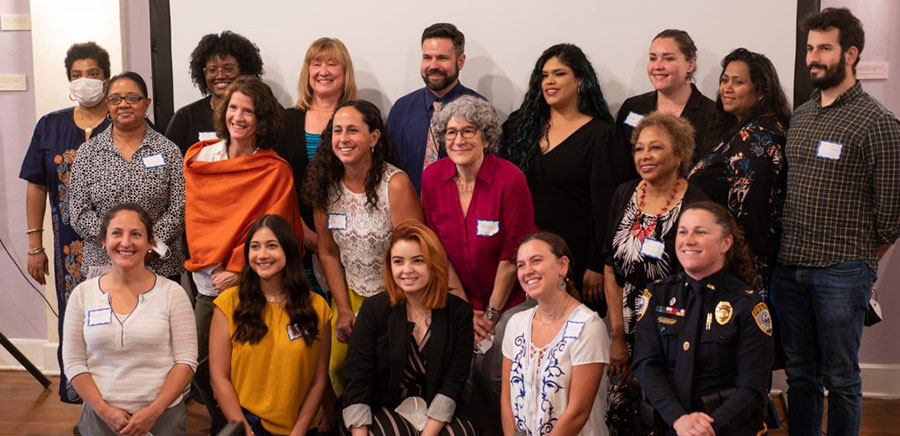
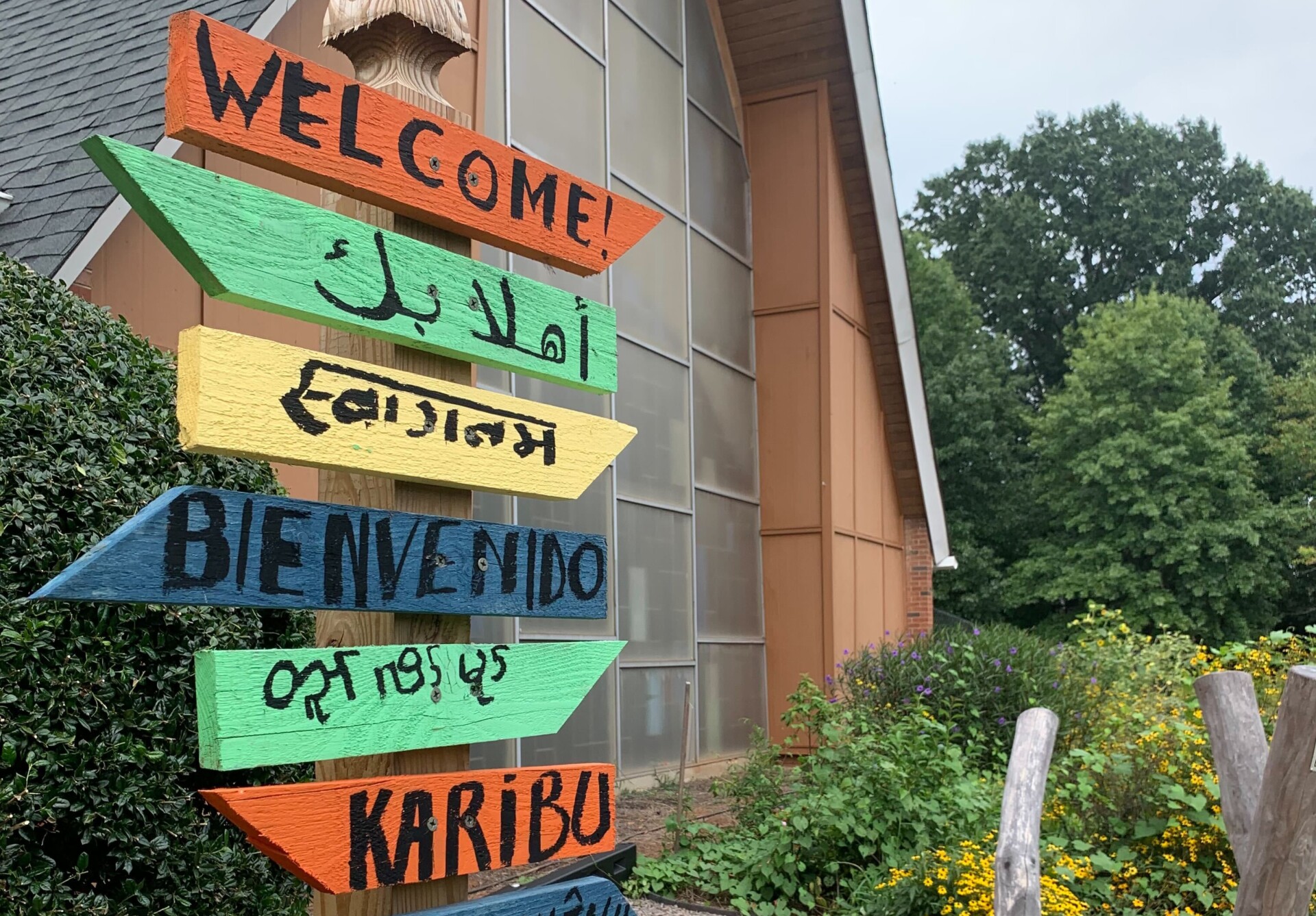
Words and intentions aren’t enough to create a community where everyone belongs. Residents of Gainesville and Alachua County, Florida know how much effort it takes to make their home a more welcoming place to live. “To be a welcoming community means that you have policies in place which become everyday behaviors and actions, in turn,…
Read MoreFrom Afghanistan to Virginia: How Richmond welcomes refugees
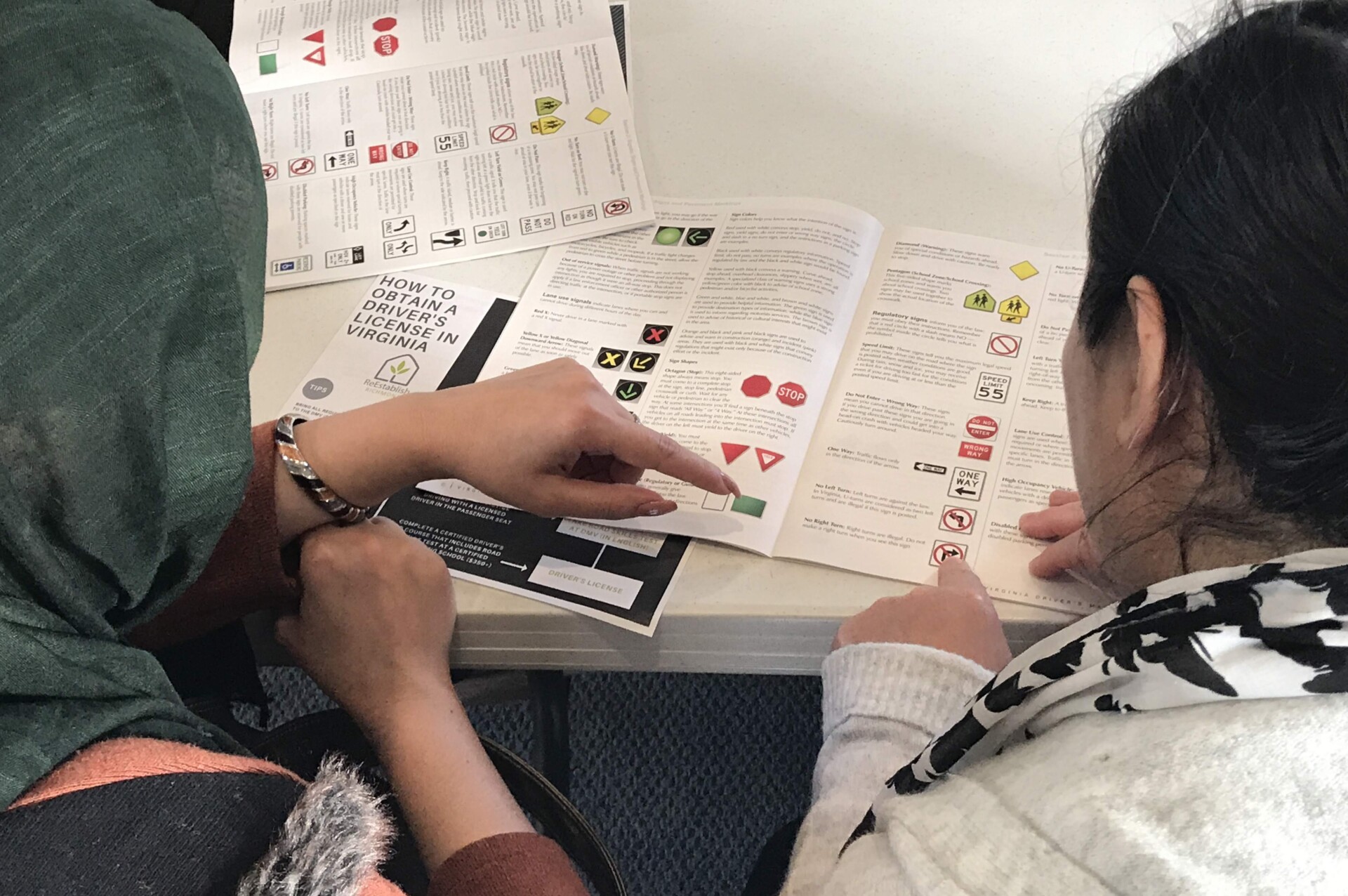
In 2016, a group of 30 Afghan women arrived at their local DMV office in Richmond, Virginia to take the learner’s permit test. When they arrived from Afghanistan a few years before, they didn’t know how to get a driver’s license and could not find information in their language. Kate Ayers, executive director of ReEstablish…
Read MoreWebinar Recording: Advocating for Immigrant Digital Equity
The Digital Equity Act is an unprecedented investment in digital equity and inclusion for everyone in the U.S. During this webinar, recorded on September 27, speakers explored advocacy resources from World Education’s Transforming Immigrant Digital Equity project created to help ensure immigrants and refugees won’t be left behind. In addition, Hennepin County, Minnesota presented a…
Read MoreChampioning the Power and Potential of ‘Natural Helpers’: A Guide
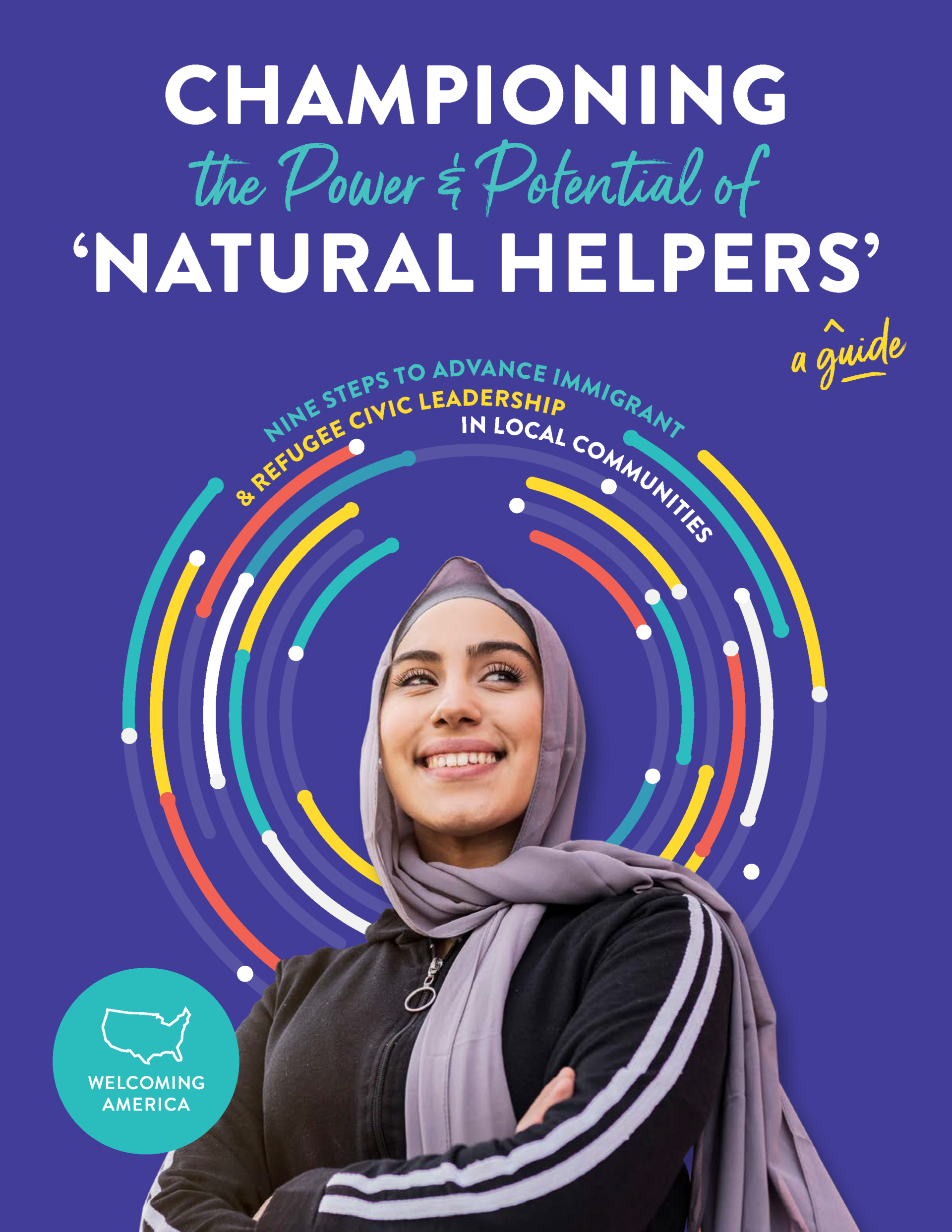
Natural Helpers programs recognize the crucial role immigrant and refugee leaders fulfill as informal “helpers’’ in their communities by formalizing, supporting, and expanding their capacity for civic leadership. This guide presents promising practices from interviews with Natural Helpers program coordinators and lessons learned from the Natural Helpers communities of practice convened by Welcoming America. Three…
Read MoreLessons and opportunities to build belonging: A look at our 2022 Fund to Foster Belonging grantees
Connection is the antidote to social division. Communities that intentionally bring people from all walks of life together reap the benefits of being a more welcoming place for all. Intergroup bridging is one way to foster connections among groups from different migration backgrounds. Bridging activities bring people together, and research shows that building bridges between…
Read MoreThree tips for community foundations wanting to advance immigrant inclusion
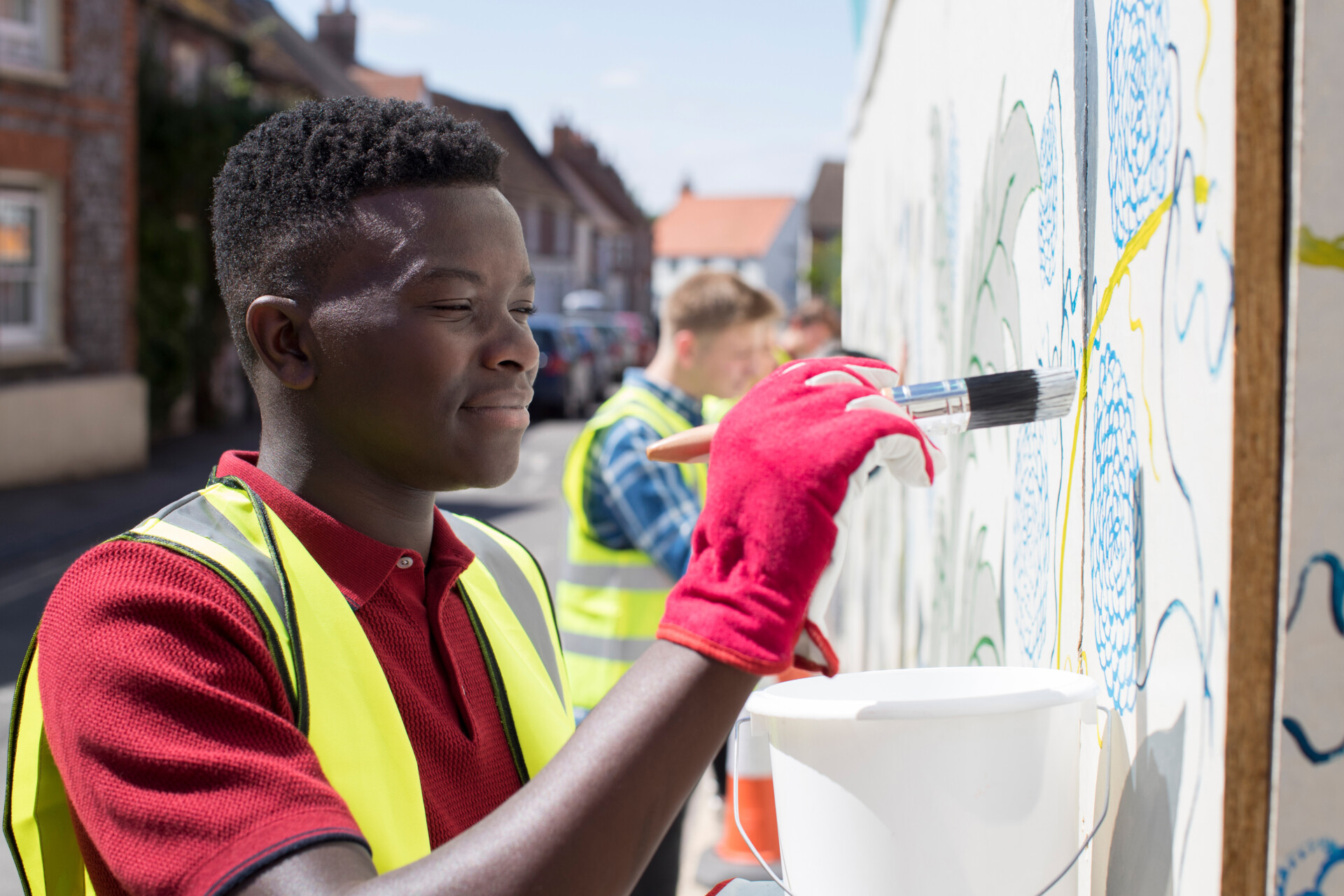
A new white paper from Welcoming America explores the capacity community foundations have to advance the work of welcoming newcomers into U.S. communities. Through our project and white paper we ask: How are community foundations currently engaging in welcoming work? What are the opportunities for community philanthropy to play an even stronger role in advancing…
Read MoreGetting Started with Welcoming (webinar series)
This two part webinar series will introduce you to the what, why, and how of welcoming. Whether your community is responding to Afghan airlifts, looking to attract a new plant to town, or launching a diversity initiative, the work begins with connecting the people and resources in your community. We call this work building welcoming…
Read MoreBridging Language and Work: Solutions to Invest in Immigrant and Refugee Talent
Finding, retaining, and developing talent is a top priority for business leaders today. Refugees and immigrants represent an incredible pool of talent that can fill worker shortages and enhance diversity. Yet, many employers overlook candidates due to perceptions that workers cannot succeed in a role if they have limited proficiency in the local language. Bridging Language…
Read MoreImmigration Advocates Network: How to Support Citizenship in Your Community
This webinar aired January 27, 2022 As the number of immigrants coming into the US increases, it can be a challenge for community leaders to help immigrants navigate the path to immigration legal status or citizenship. During this webinar, our partners at the Immigration Advocates Network (IAN) will share the tools and resources they have…
Read MoreAccess to Housing, Disaster Relief, and Homelessness Assistance Programs for Immigrants
This webinar aired on December 2, 2021. This webinar covers public assistance services and how immigration status affects — or doesn’t affect — one’s ability to receive assistance in housing, disaster relief, and/or homelessness. SPEAKERS: Wafa Dinaro, Director of Economic Development, Wayne County, Michigan Kate Walz, Senior Attorney, National Housing Law Project Luz Viviana Meza,…
Read More