
How to fund welcoming work and strengthen local networks: A case study from Philadelphia
Building a welcoming community takes more than good intentions. It requires trust, partnerships, and sustainable funding to weather crises and meet long-term needs.
Establishing a welcoming fund is a best practice for creating lasting infrastructure.
When anti-immigrant governors started sending buses of asylum seekers to welcoming cities in 2022, Philadelphia prepared. The city not only responded and rose to the moment, but also strengthened community-wide partnerships that continue to this day.
Why Philadelphia was ready
As a Certified Welcoming city, Philadelphia understands something fundamental: newcomers strengthen communities. Today, dangerous narratives continue to politicize migration and portray immigrants through the lens of peoples’ worst fears — scarcity, crime, and exclusion. It doesn’t have to be this way.
More than 14% of Philadelphians are foreign-born, and these residents have driven the city’s population growth over the last 20 years.
“Immigrants contribute so much and have been key to ensuring Philadelphia remains a vibrant place for people to live, work, and play for decades,” said Amy Eusebio, former director of Philadelphia’s Office of Immigrant Affairs.
When a leader in the local Venezuelan community saw migrant buses arriving in New York and Chicago, they asked Philadelphia's leaders a simple question: What's our plan?
The answer came from years of relationship-building and trust between local organizations.
Building the Philadelphia Welcoming Fund
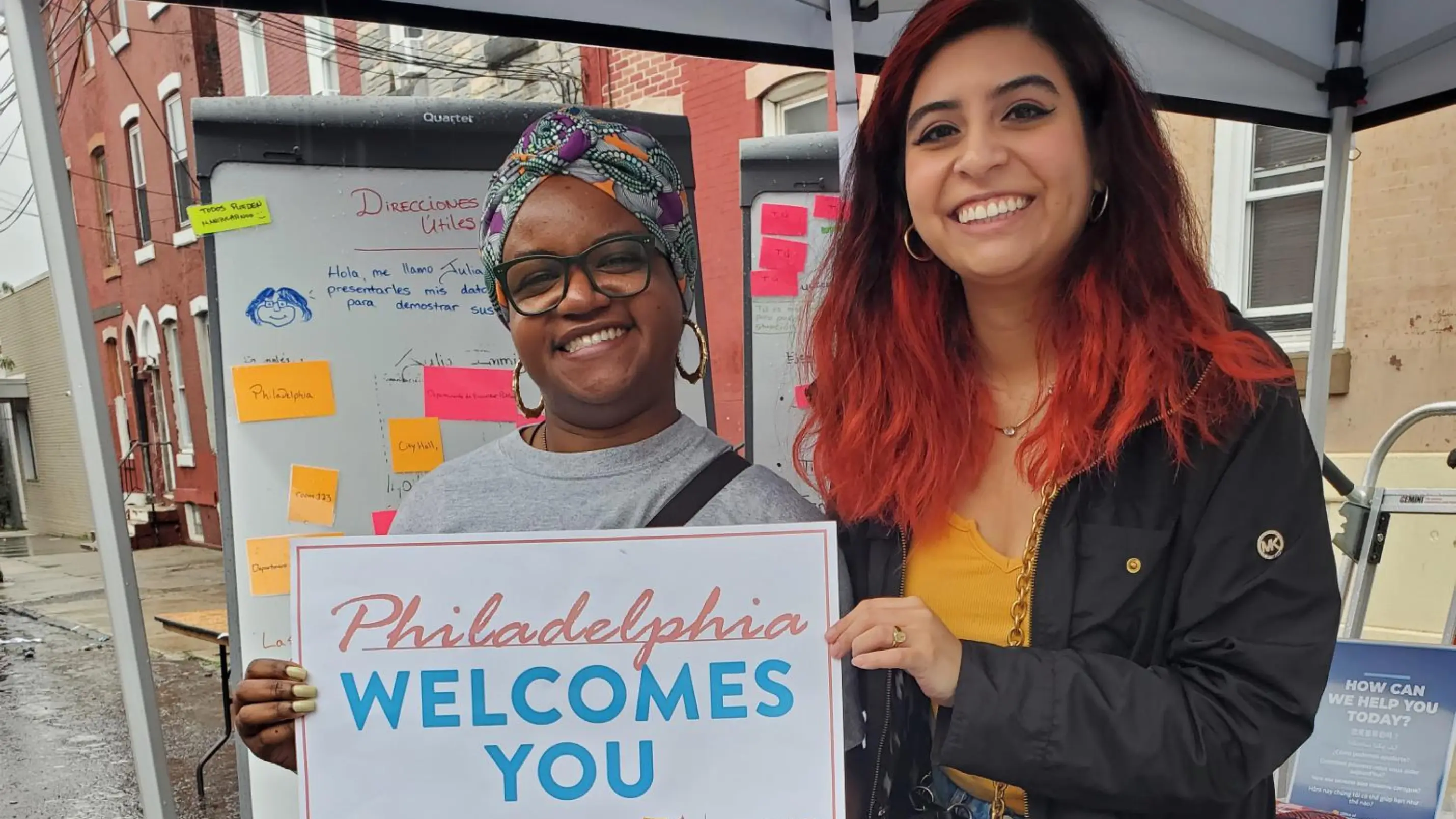
In 2022, the City of Philadelphia’s Office of Immigrant Affairs and the Philadelphia City Fund launched the Philadelphia Welcoming Fund in partnership with dozens of grassroots organizations, legal service providers, resettlement agencies, and other city offices.
The coalition succeeded because the relationships already existed. When over 3,400 individuals requesting asylum arrived in Philadelphia on buses, this network leaned on each other's strengths to assign roles and navigate challenges.
The timing mattered. The Welcoming Fund launched when media attention was focused on the arrival of migrant buses in the city. People across the community were eager to act and welcome these newcomers.
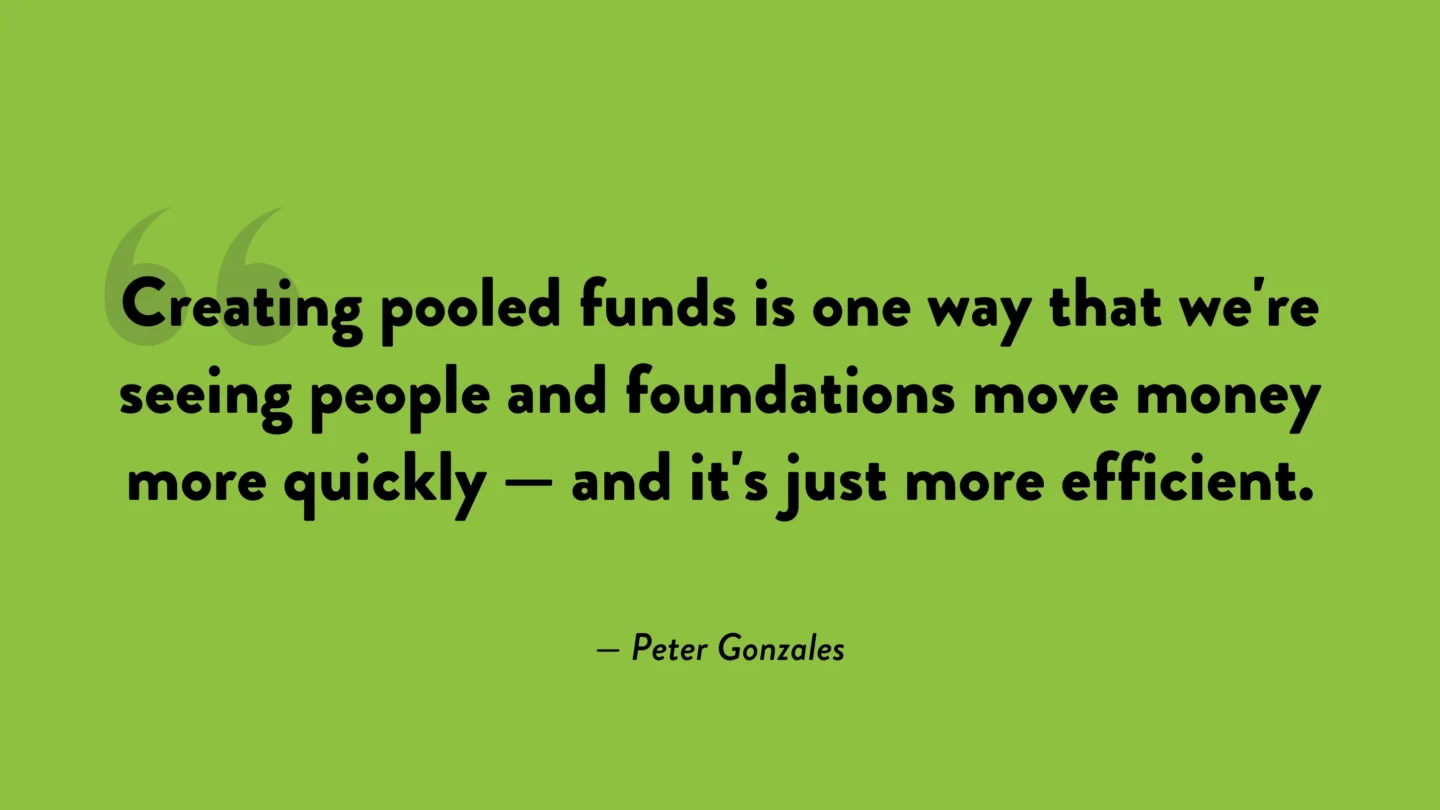
Philadelphia made it easy for people to take action through a centralized fund.
The donations collected by the Philadelphia Welcoming Fund were distributed as $5,000, $10,000, and $15,000 grants to the network of organizations that supported the arriving newcomers.
The role of local leaders
Local leaders have an important role in building support for welcoming work. Messages from leaders reinforce community values and draw attention to the need for funding.
“I believe leaders can provide hope by speaking common-sense rhetoric on immigration that does not deny our welcoming values,” said Jim Kenney, the former Mayor of Philadelphia. “It’s the smart thing to do for our politics, and it’s also the right and moral thing to do for our country.”
By leading with shared values, skeptics can better understand the importance of welcoming in building stronger communities for all.
“I believe leaders can provide hope by speaking common-sense rhetoric on immigration that does not deny our welcoming values.” — Jim Kenney
Beyond the crisis: Funding the future of welcoming work
Even though the buses stopped coming, the need for funding in Philadelphia hasn’t gone away.
“Between Afghans, Haitians, Ukrainians, and migrants arriving from the U.S. southern border, there have been a number of new and emerging communities in our city,” reflected Eusebio. “Collectively, we have a learned a lot from each of those experiences and we need to continue to improve how our systems include our new neighbors, friends, students, and business owners. We need to make sure that these new Philadelphians really feel they are part of this city.”
These lessons are coming in handy in 2025, when the need for rapid response and ongoing support to immigrants already in our communities is at an all-time high.
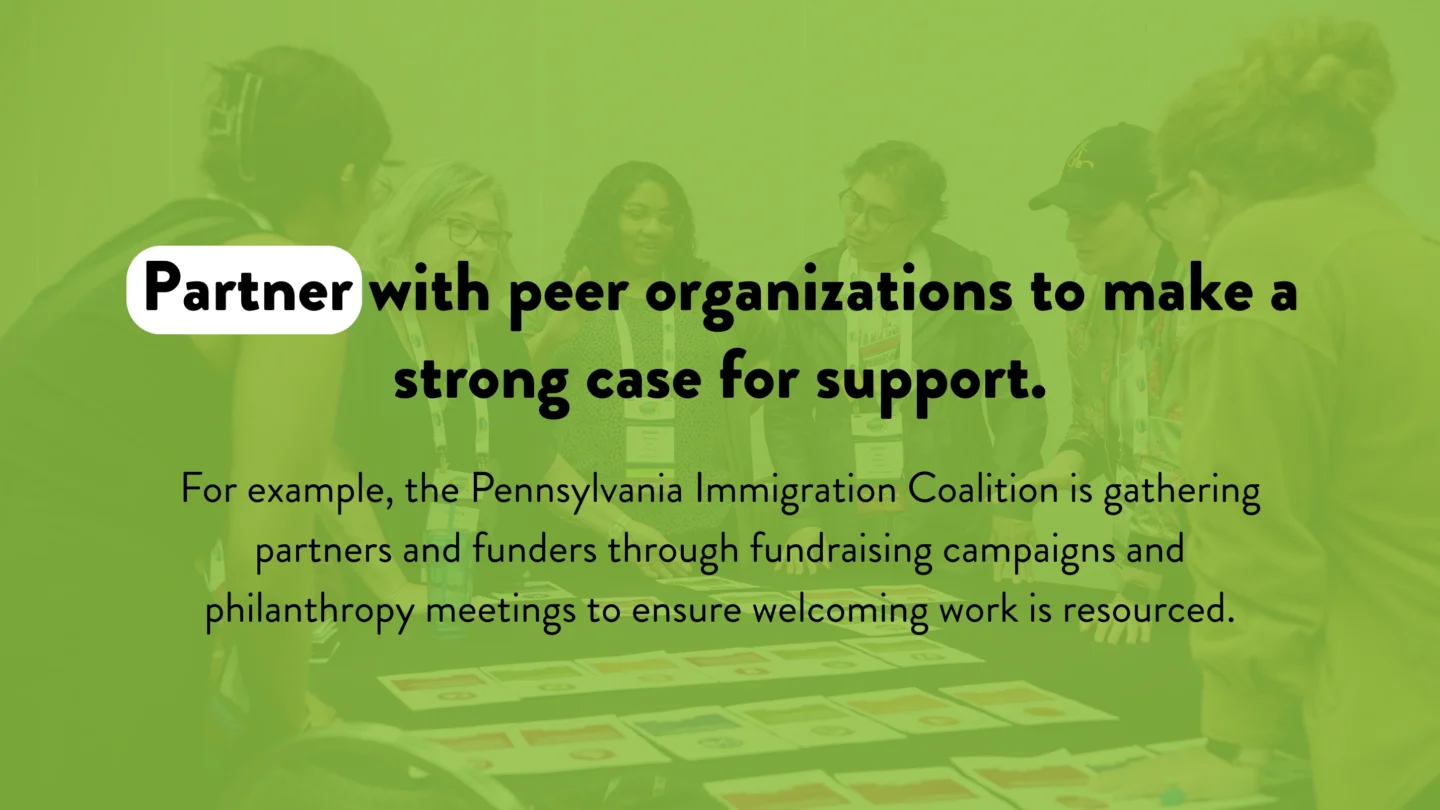
Organizations like the Pennsylvania Immigration Coalition (PIC) are acting now, supporting organizations in 26 counties with rapid response, advocacy, and education. To make their efforts possible, PIC is focused on fundraising strategies that work.
"We need to make sure that these new Philadelphians really feel they are part of this city.” — Amy Eusebio
What's working for organizations seeking funding now
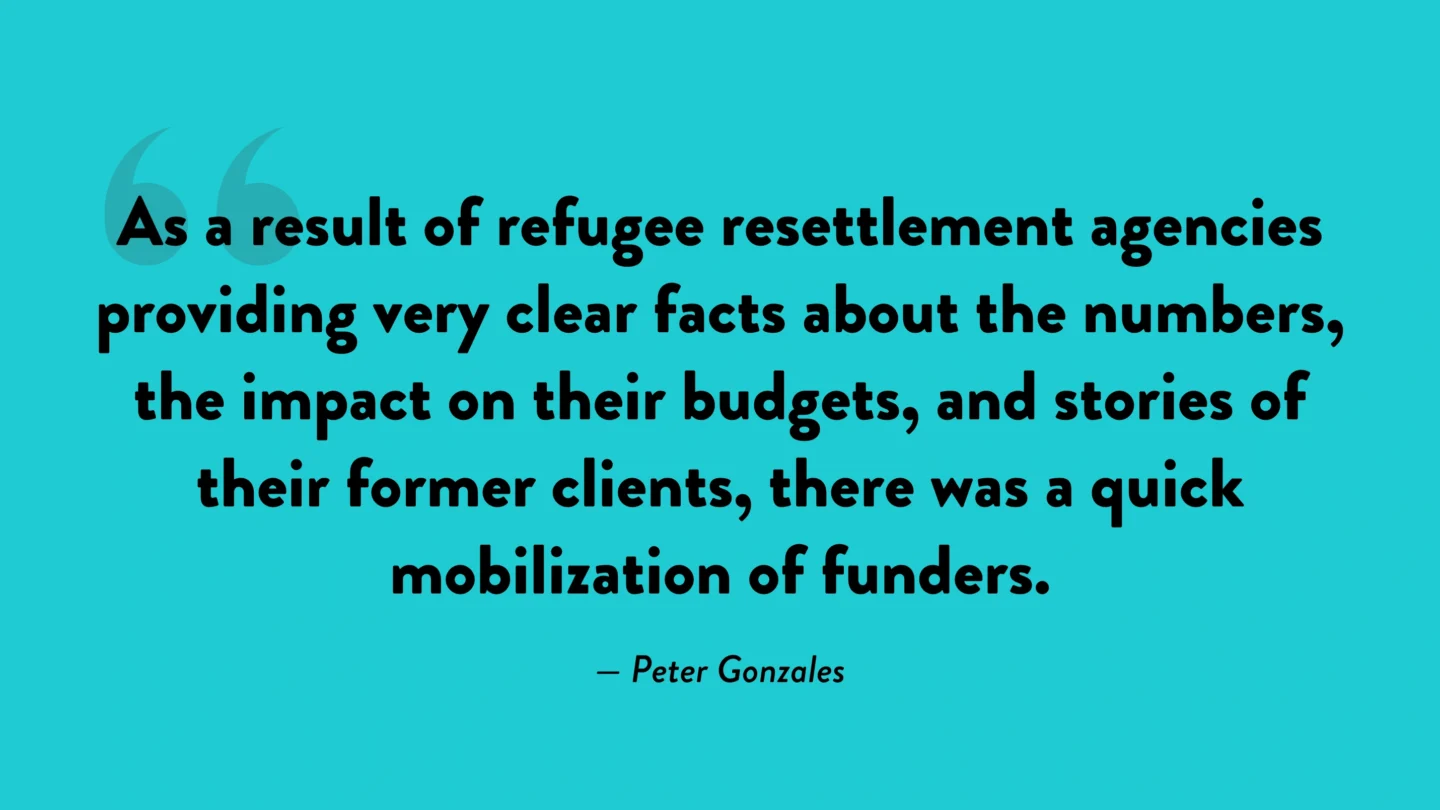
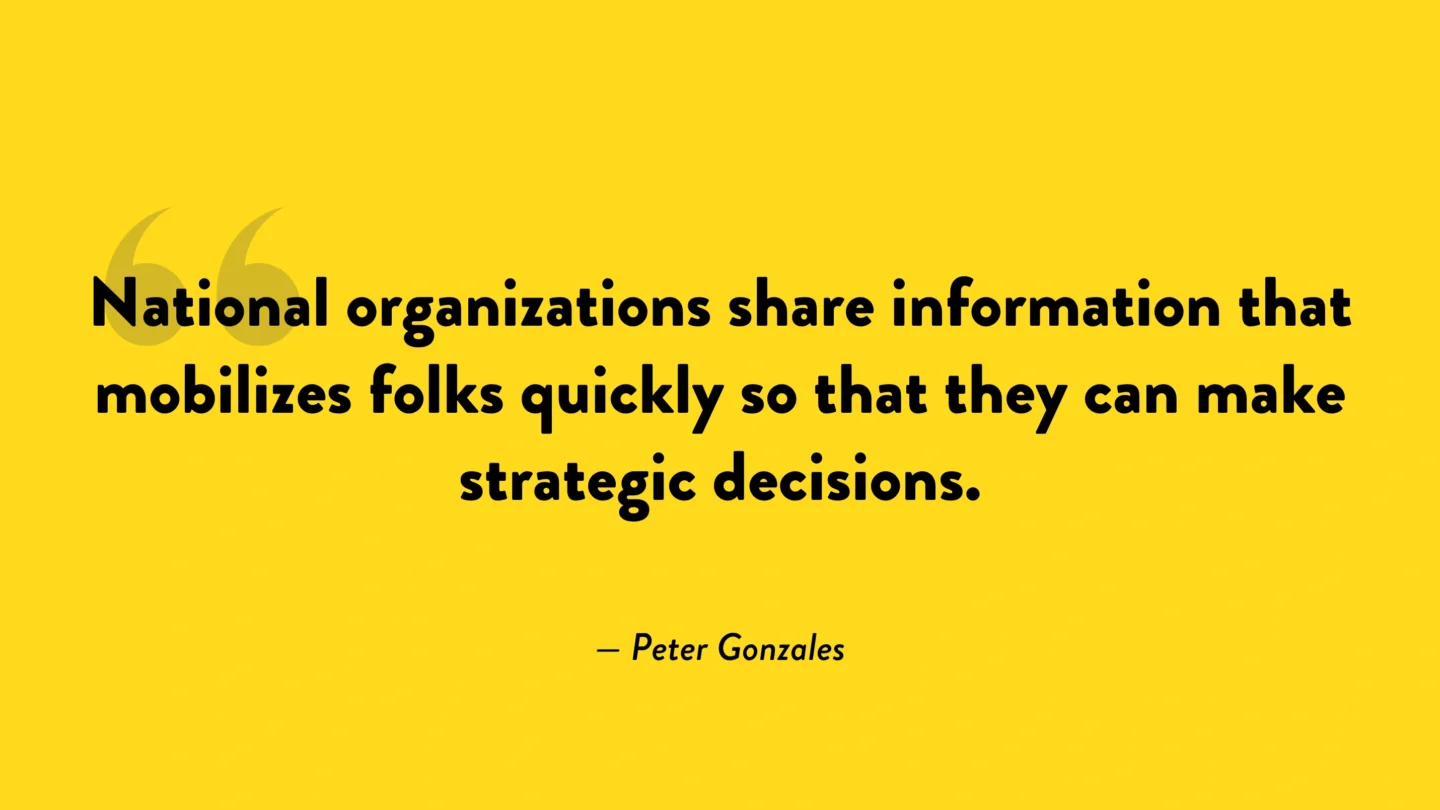
Peter Gonzales, board member of Philanthropy Network of Greater Philadelphia, says “there's a crisis where people need the money now.”
According to Peter, nonprofits successfully securing funding are working closely with their local governments and philanthropists to educate and make the case for their work.
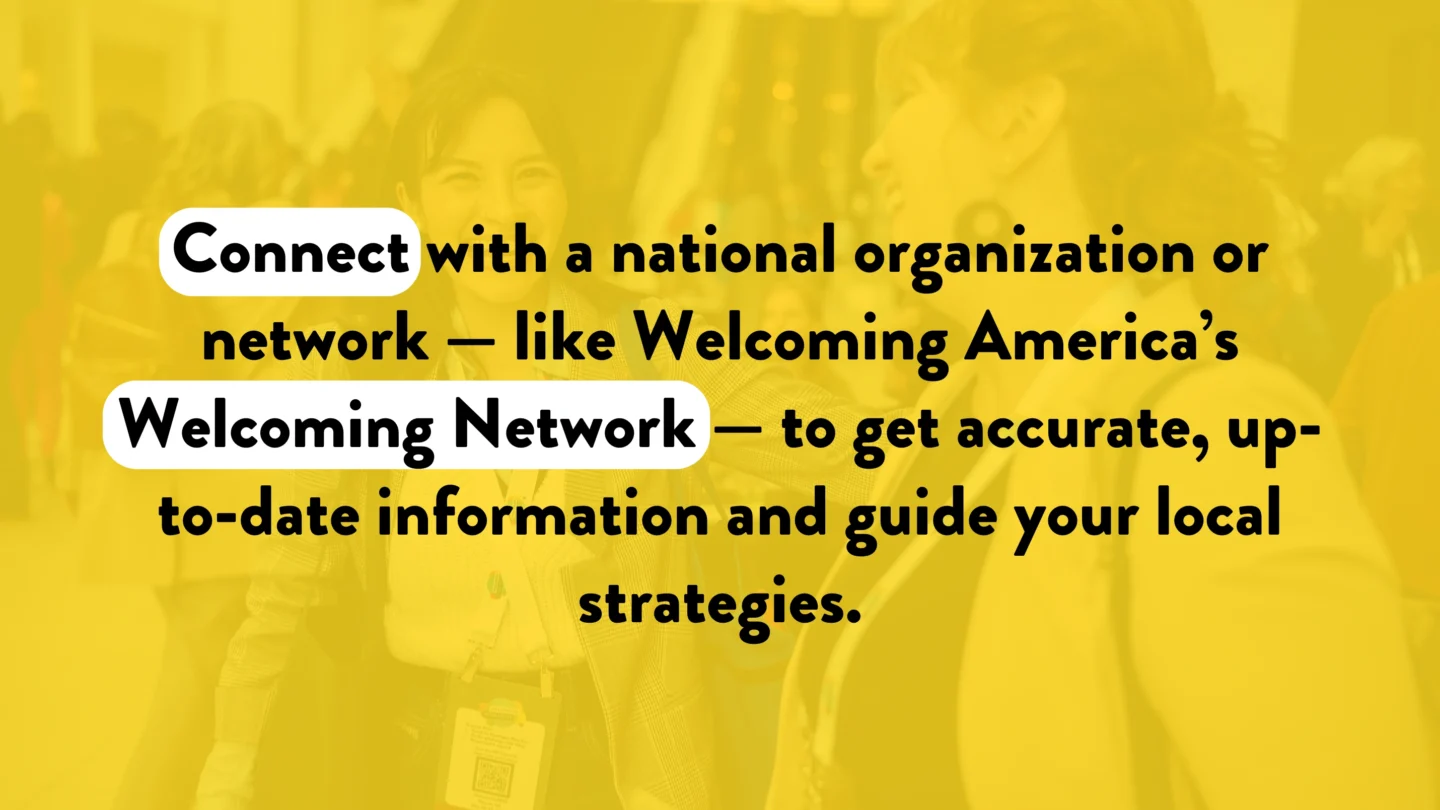
Here’s what’s working for organizations seeking funding right now:
The path forward
Regardless of what’s happening statewide, nationally, and globally, welcoming communities are some of the best prepared places to manage changing demographics.
Philadelphia's Welcoming Fund is an important model for what’s possible when trusted collaborators come together to respond to crises and attempts to divide our communities.
This model is replicable. The need is urgent. The time is now.
Explore resources
- Support or launch a welcoming fund in your community: Advancing a Welcoming Infrastructure for Humanitarian Relief
- Ways funders can invest in welcoming communities: Lighting the Way: A philanthropic guide to supporting migration for a welcoming Chicago