

Philadelphia, PA: How a Census Outreach Campaign Paved the Way for Inclusive Communications
Home to newcomers from across the globe, Philadelphia has a long history as a welcoming city. With commitments to workforce inclusion, equitable education opportunities, and language access, the City of Brotherly Love and Sisterly Affection has worked to ensure all residents are included in civic life. However, prior to the 2020 Census, city leaders recognized that local capacity for multilingual outreach and inclusive communications did not yet match its ambitions—or reflect the growing diversity of its newcomer communities.
Between 2014 and 2017, approximately 21,500 newcomers from China had settled in Philadelphia, with another 24,000 arriving after 2018. Nearly 75% of these newcomers did not yet speak English well—or didn’t speak English at all. While local schools documented an increase in Mandarin-speaking students and city departments engaged with growing numbers of small business owners from China, federal Census data had not fully registered the increase. The data gap left the city unable to access funding to support additional language services and outreach initiatives that would support these growing communities.
In response, Philadelphia launched Philly Counts, an effort to encourage local participation in the 2020 Census—especially in historically undercounted neighborhoods, including newcomer communities. Recognizing challenges posted by political rhetoric and widespread misinformation, particularly around immigration, the initiative prioritized a “trusted messenger model,” focused on person-to-person engagement. The model was rooted in the belief that local residents who understand their communities can effectively build trust and drive change.
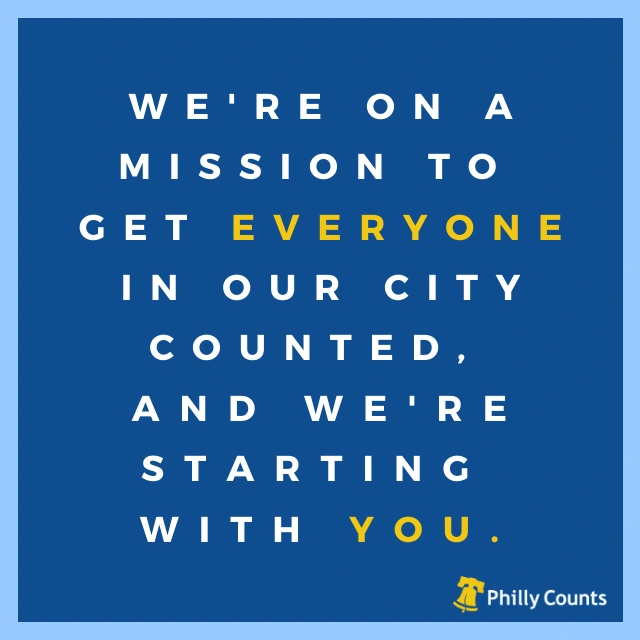
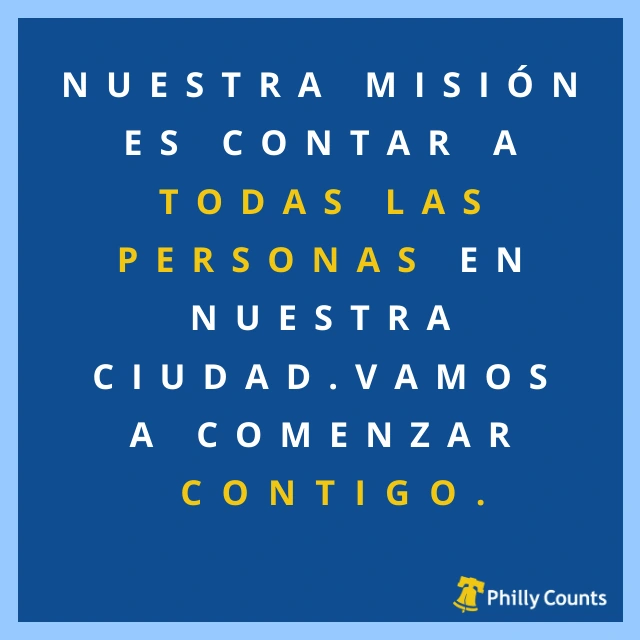
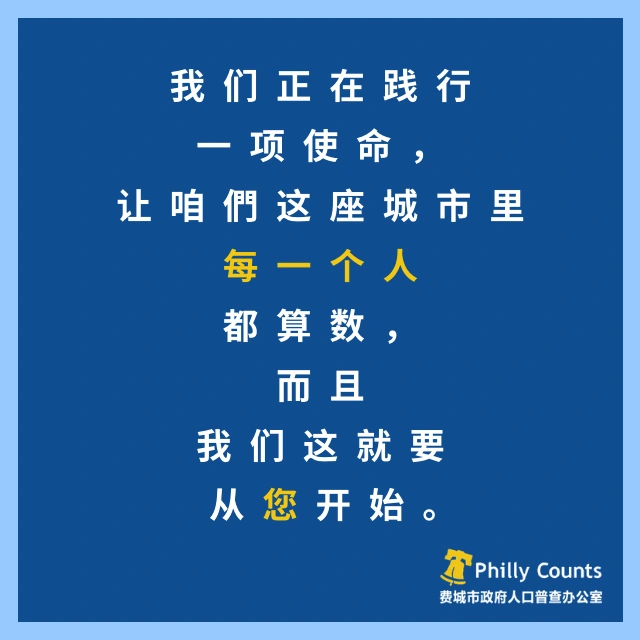
From September 2019 to February 2020, Philly Counts trained nearly 6,000 Philadelphians from diverse backgrounds to become “Census Champions.” These volunteers were equipped with tools, talking points, and resources in English, Spanish, Chinese, and several other languages. Their mission: to build trust, raise awareness about the Census, and encourage participation. Volunteers learned how to answer tough questions, address concerns, and provide reassurance to local residents.
“Philly Counts strategically chose to approach outreach and engagement in a way that prioritized a genuine connection between local government and residents,” said Stephanie Reid, who previously served as executive director of Philly Counts.
“We strategically built networks and engaged people in marginalized communities that are historically most undercounted, rather than focus on top-down messaging.”
The effort was successful: The city saw impressive participation in the 2020 Census, with final counts surpassing internal city projections. Current Census data reflects 33,500 Philadelphians speaking Chinese at home, the city’s second largest cohort of multilingual residents after Spanish speakers. Philadelphia is now federally mandated to produce all election materials in English, Spanish, and Chinese—and Mandarin is now among the city’s 13 priority outreach languages.
Philly Counts has evolved into a tool for broader community engagement. During the COVID-19 pandemic, Philly Counts was an invaluable network for building connections with local community members, identifying outreach languages, message testing, and sharing important public health information in multiple languages. The effort continues to engage city staff, volunteers, neighborhood leaders, and representatives from community-based organizations.
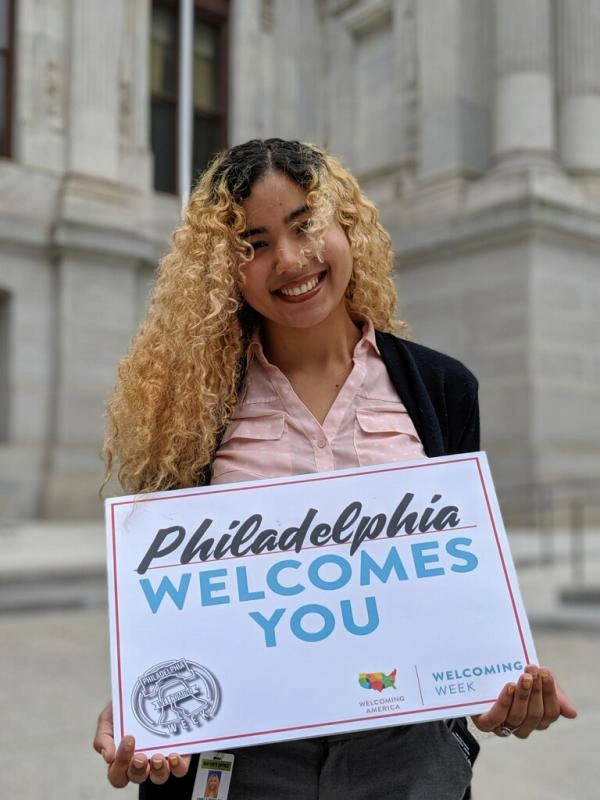
As Philadelphia’s newcomer populations grow, language access continues to be essential. Philly Counts offers a blueprint for building trust in historically underserved communities and mobilizing individuals and coalitions to civic action.
“When a local government invests in its residents, its residents invest time and resources back into the city. This produces a type of social contract that creates an opportunity for the City of Philadelphia and municipal governments everywhere that are willing to invest the time, energy, and funds into engaging their communities,” said Reid.
Explore more language access tips:
As local governments and organizations serve growing numbers of multilingual audiences, many are using communication strategies that promote trust, engagement, and access.
Read More