
Louisville, KY: How Community Advocates Made the Case for Inclusive Communications
In 2021, Amos Izerimana, director of the Office for Immigrant Affairs in Louisville, KY, rallied community members to deliver a message to city council. In a community where the newcomer population had grown rapidly and 150 languages were spoken in public schools, leadership couldn’t afford not to invest in language access and inclusive communications.
“I think the default response is that it is going to cost us a lot of money. But how much is this going to cost us if we don’t provide the service?” said Izerimana.
“Our goal is to reduce significant impacts to the community so that everyone feels safe, seen, and like a contributor to our city’s economy.”
Louisville had launched an inclusive communications effort during the COVID-19 pandemic, offering multilingual public health resources that boosted testing, vaccinations, and kept businesses open. Building on this success, Izerimana pushed for permanent language access post-pandemic.
“Community groups had been asking for language access for almost 20 years. The thinking was, ‘We were able to do this over the pandemic, let’s keep it going,’” he recalled.
Izerimana’s office had built a network of community ambassadors from trusted organizations like community centers and refugee resettlement agencies during the pandemic. He leveraged these relationships to galvanize support for an ordinance that would codify language access across Louisville city government.
“We viewed the issue through the lens of public safety,” Izerimana recalled. “We asked people to provide testimonials to support each argument, to match their stories with the points we were trying to make.”
Izerimana worked with a young man who had provided services in a domestic violence case involving his parents. His linguistic abilities filled a gap in city services, but at a significant cost to his mental health.
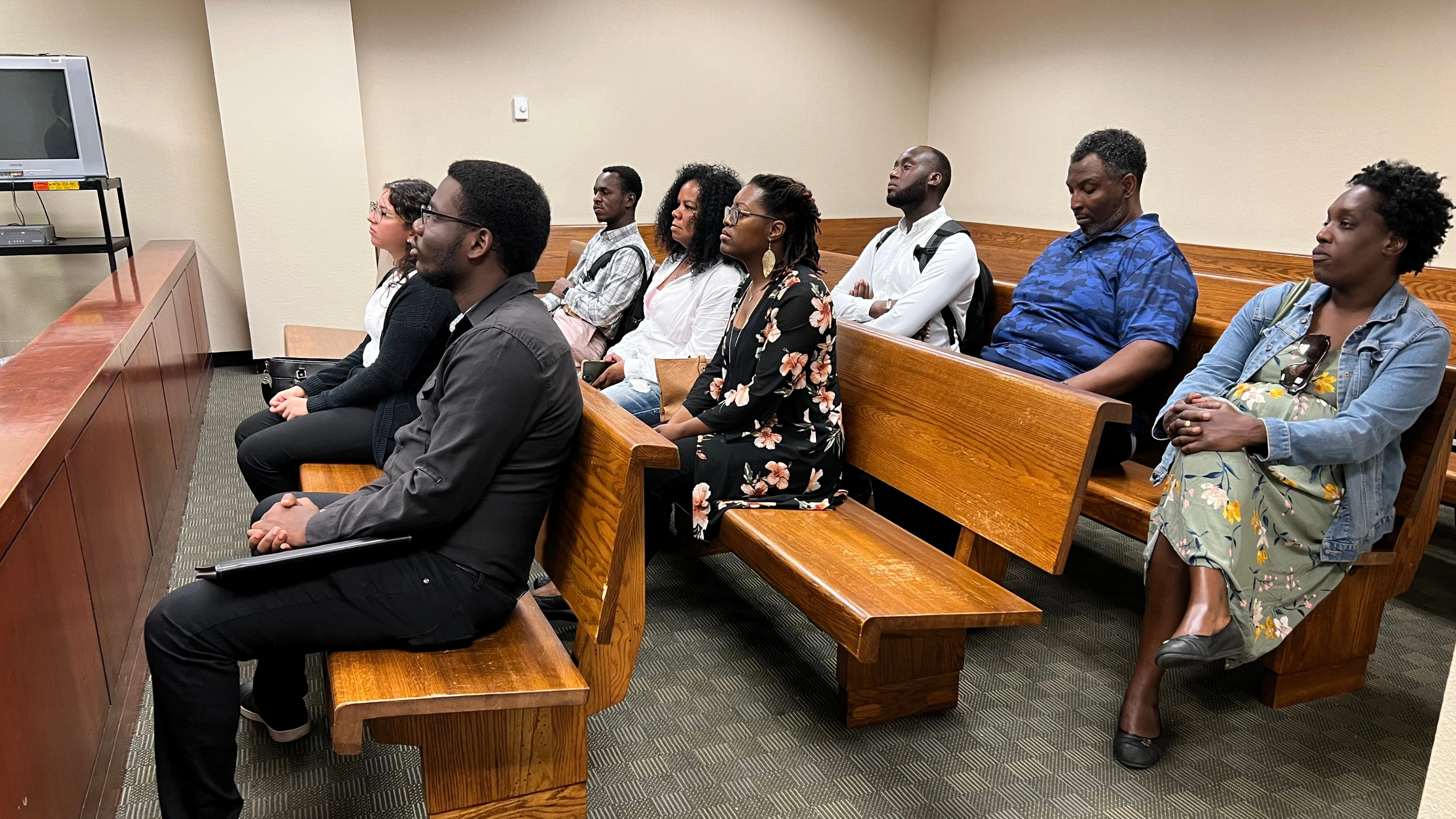
“None of the people that testified had ever spoken in front of the city council; they were nervous,” Izerimana said. “I coached them through the whole process, reminding them of the impact that their stories would have. They were one story out of the hundreds that we didn’t know about. If these stories don’t get heard, we can’t work towards preventing what happened to them from happening to others.”
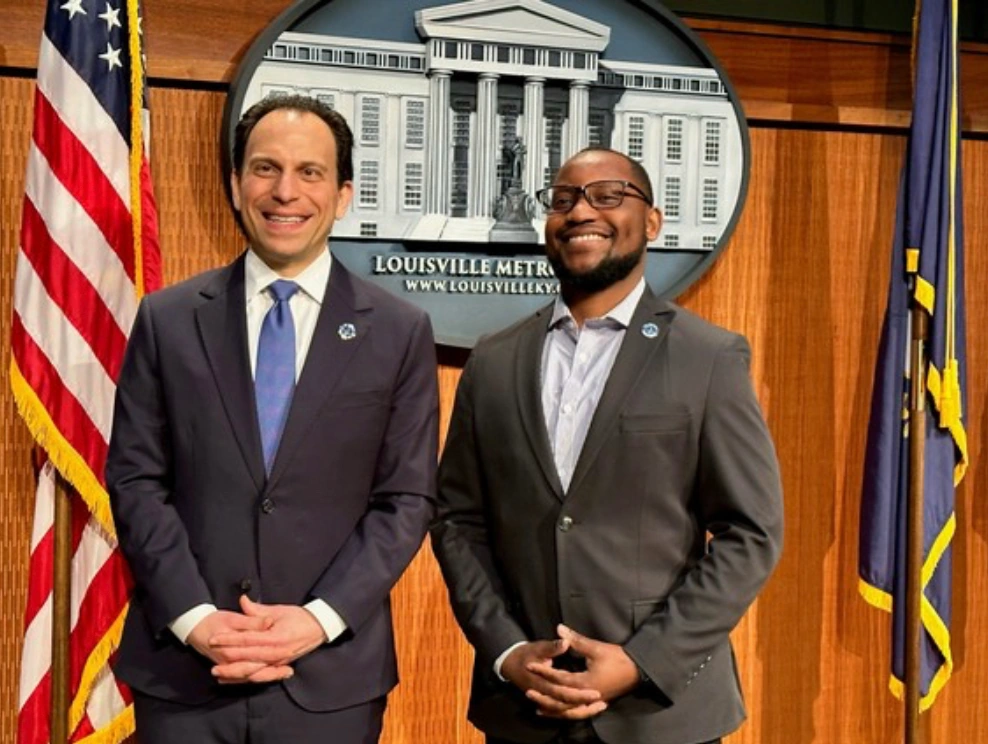
Louisville’s Metro Council passed the ordinance in 2022, funding citywide language access and additional staff for public health outreach. Izerimana credits the success to strong partnerships—and advises other local government leaders to proactively build authentic relationships with community members.
“The main pillar of success was the fact that we had the partnerships in place. It takes time to get to the point where you feel like you’re in a good rhythm. Stay connected to the impact you’re trying to make and get feedback from your community.”
Explore more tips for language access:
As local governments and organizations serve growing numbers of multilingual audiences, many are using communication strategies that promote trust, engagement, and access.
Read More